

he aim of this study was to identify problematic gaming behavior among Finnish adolescents and young adults, and evaluate its connection to a variety of psychological, social, and physical health symptoms.
This cross-sectional study was conducted with a random sample of 293 respondents aged from 13 to 24 years. Participants completed an online survey. Problematic gaming behavior was measured with the Game Addiction Scale (GAS). Self-reports covered health measures such as psychological health (psychopathological symptoms, satisfaction with life), social health (preferences for social interaction), and physical health (general health, Body Mass Index [BMI], body discomfort, physical activity).
Problematic gaming behavior was found to relate to psychological and health problems, namely fatigue, sleep interference, depression and anxiety symptoms. Multiple linear regression indicated that the amount of weekly gaming, depression and a preference for online social interaction predicted increased problematic gaming symptoms.
This research emphasized that problematic gaming behavior had a strong negative correlation to a variety of subjective health outcomes.
Download the PDF article on AKJournals.
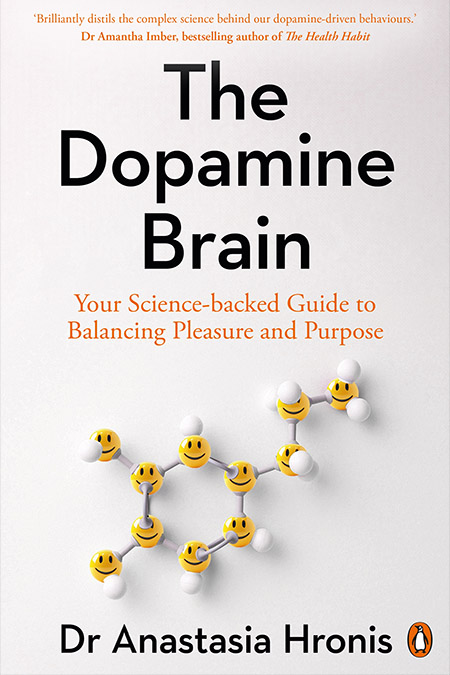
Clinical psychologist and founder of the Australian Institute for Human Wellness Dr Anastasia Hronis lifts the lid on dopamine to help us live by intention, not impulse. A transformative guide to breaking free from impulsive habits and living a more intentional life.
Read More
In The Anxious Generation, social psychologist Jonathan Haidt presents more than a dozen mechanisms by which this “great rewiring of childhood” has interfered with children’s social and neurological development, covering everything from sleep deprivation to attention fragmentation, addiction, loneliness, social contagion, social comparison and perfectionism.
Read More
Hundreds of millions of dollars of grants go to community groups every year from gambling, including pokies, Lotto and casinos – but legal online casinos wouldn’t have to, under new government plans. Steve Kilgallon reports.
Read MoreWe greatly appreciate your feedback on this website and would like to know what information you found useful and what services you would like to see next. Please take a couple of minutes to let us know.
survey


